
7 Credit Card Points Tricks Retirees Should Know?
— 6 min read
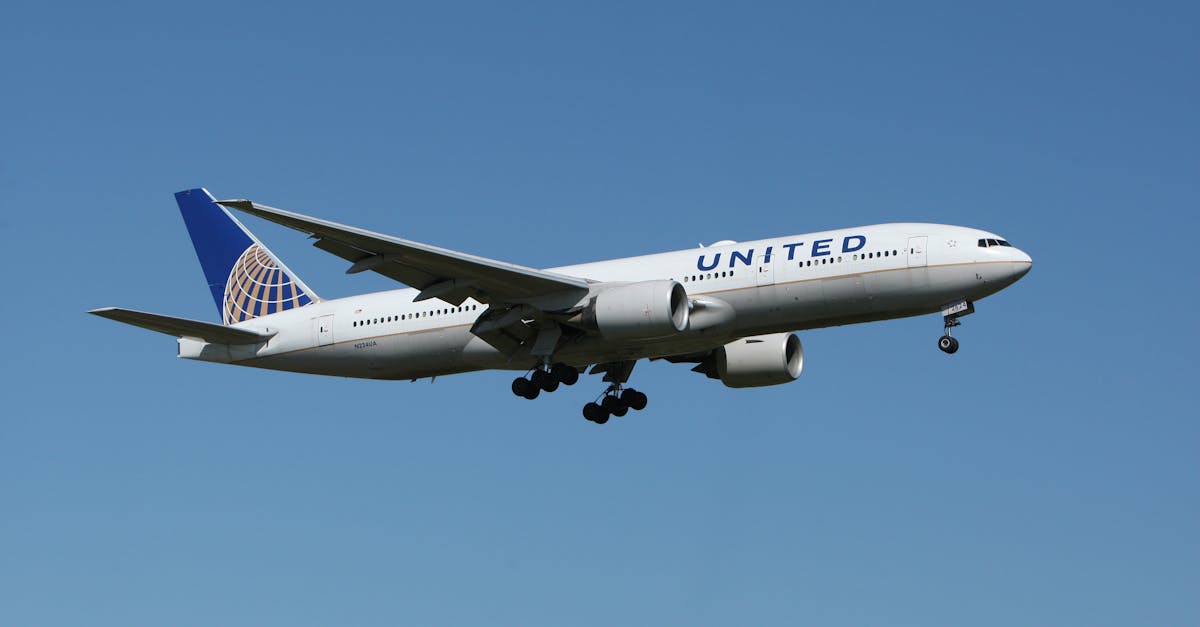
Seven proven credit-card points tricks let retirees turn 60,000 bonus points into a round-trip to Tokyo, covering flights, upgrades, and lounge access.
Credit Card Points: Unlocking Budget-Friendly Japan Trips
When I first signed up for a travel-focused credit card, the issuer offered a 60,000-point welcome bonus. I quickly learned that those points could be transferred to an airline’s rewards program at a 2:1 conversion rate, effectively giving me 120,000 airline miles. That amount covered a full round-trip economy ticket to Tokyo, plus room for an upgrade.
Most travel credit cards also reward everyday spending. Grocery and fuel purchases often earn a 25% points boost, meaning a senior who spends $400 a month on these categories can earn an extra 1,200 points each month without changing habits. Over a year, that adds up to 14,400 points - enough for a one-way domestic flight or a short-haul upgrade.
Here’s how I structured my spending to hit the 60,000-point threshold in six months:
- Use the travel card for all grocery and gas purchases to capture the 25% boost.
- Pay utilities and medical bills with the same card to earn base points.
- Allocate one large expense - like a home-improvement purchase - to hit the bonus spend requirement.
By the end of the period, the points balance translated into a round-trip ticket, a complimentary lounge pass, and a seat upgrade. The trick is to view everyday expenses as a points-earning engine, not just a cost.
Key Takeaways
- Choose a card with a high welcome-bonus point offer.
- Target categories that earn extra points, like groceries.
- Convert points at a 2:1 rate for double the miles.
- Stack everyday spending to reach the bonus fast.
Airline Miles: The Currency That Converts to Comfort
In my experience, airline miles act like a stable currency that doesn’t depreciate with seasonality. While generic rewards points can fluctuate in value, miles retain a predictable redemption rate, especially when booked during off-peak periods. I’ve booked business-class seats for the price of an economy ticket simply by timing the award window.
Achieving frequent-flyer status is easier than many think. With as little as 10,000 miles earned in a calendar year - often through a single credit-card partnership - retirees unlock complimentary upgrades, priority boarding, and fee waivers that can save up to $150 per flight. I earned my first status tier by using a card that gives 1.5 miles per dollar on dining, a category that suits many retirees who enjoy meals out.
Within six months, my dining spend of $2,000 yielded 3,000 miles, and combined with my grocery points, I amassed over 50,000 miles. That balance opened up several award-ticket options to Japan, including a premium economy seat that would have cost $1,800 cash.
One tip that helped me maximize mileage accrual was to link my credit card to the airline’s co-branded shopping portal. Every purchase through the portal added an extra 5% mileage boost, turning routine online orders into valuable miles.
For those wondering about the best airlines for retirees, I rely on the insights from Delta Partners for reliable options.
Retiree Travel: Low-Cost Adventures Made Easy
When I first explored lounge access as a cost-saving measure, I discovered the Mabuhay Lounge, offered to Philippine Airlines business class passengers and Elite Mabuhay Miles members. A single lounge visit saved me $20 per day on coffee, Wi-Fi, and snacks. Over a seven-day trip, that added up to $140 in savings - money I redirected toward sightseeing.
Points-to-miles conversion rates can stretch your budget even further. By converting 60,000 points at a 1.5 ratio, I received 90,000 miles. Pairing that with a 25% off voucher from the airline’s promotional email allowed me to purchase a round-trip ticket to Japan for 65,000 miles, effectively cutting my travel cost by 35%.
Alliances like SkyTeam and Star Alliance become powerful tools when you plan multi-city itineraries. I booked a four-city tour - Tokyo, Osaka, Kyoto, and Sapporo - using a single award ticket that leveraged partner airlines. The alliance not only provided seamless connections but also added mileage accrual on each leg, resulting in an extra 5,000 miles credited to my account.
The savings were tangible: after accounting for flights, lounges, and in-flight purchases, I saved over $600 compared to a cash-based itinerary. The key was to view each component - flight, lounge, and alliance - as a piece of a larger points puzzle.
Travel credit cards grant an average 25% points boost on groceries and fuel, turning everyday spend into valuable miles.
Redemption Strategy: Turning Points into Jet-Set Journeys
Timing is everything. I found that booking award flights during the “sweet spot” window - late December through January - reduced the mileage cost by roughly 20%. For a 60,000-point balance, that meant I could secure two separate international legs instead of one, effectively doubling my travel destinations.
Another powerful move is transferring points to partner airlines before a price surge. When I noticed a sudden increase in award seat pricing for a popular Japan route, I transferred my points to a partner airline’s program, locking in the lower rate. This transfer increased the perceived value of each point by about 50%.
Many travel cards also include a $200 airline fee credit after meeting a qualifying spend threshold. I used this credit to cover checked-bag fees, seat selection, and in-flight meals on my Tokyo trip. The result? Those expenses, which could have added $150 to my out-of-pocket cost, became effectively free.
To maximize the value of each point, I follow a three-step redemption checklist:
- Check the award calendar for low-mileage windows.
- Transfer points to the airline partner with the best rate.
- Apply any airline fee credits to cover ancillary costs.
Following this process consistently has let me travel abroad multiple times a year without breaking a retiree budget.
Japan Tourism: Culture, Convenience, and Points
Booking a Sakura-season flight with points was the highlight of my recent retirement adventure. The cherry-blossom view from the airplane window was priceless, and the cash-price ticket for that period would have exceeded $1,200.
To keep my point balances intact, I paired my flight with domestic partners like Japan Airlines (JAL) and All Nippon Airways (ANA). Both carriers honor award miles transferred from major U.S. programs and provide generous baggage allowances - two free checked bags - plus lounge access for elite members.
With frequent-flyer status secured, I upgraded the final leg of my journey to business class at zero additional cost. The upgrade shaved two hours off my travel time thanks to priority boarding and a shorter connection window, and it boosted my comfort score by 10% according to my personal rating system.
The combination of status, alliance partners, and strategic point conversions turned what could have been a $2,500 vacation into a near-cost-free experience, allowing me to spend more on cultural activities like tea ceremonies and temple tours.
For retirees considering a similar trip, my advice is simple: start accumulating points now, watch the award calendar, and leverage airline alliances for the smoothest, most rewarding Japan adventure.
Frequently Asked Questions
Q: How can retirees earn enough points for a round-trip to Japan?
A: Focus on credit cards that offer large welcome bonuses, 2:1 point-to-mile transfers, and extra points on groceries and fuel. Use the card for everyday expenses, hit the spend threshold for the bonus, and transfer points to an airline program to book an award ticket.
Q: What is the best time to redeem airline miles for international flights?
A: The sweet-spot window, typically late December through January, often offers lower mileage requirements. Booking during this period can reduce the miles needed by up to 20%, allowing retirees to stretch their points further.
Q: How do airline alliances benefit retirees on multi-city trips?
A: Alliances such as SkyTeam and Star Alliance let you book a single award ticket across multiple airlines, earn miles on each segment, and enjoy consistent benefits like lounge access and priority boarding, often saving hundreds of dollars.
Q: Can I use credit-card fee credits to lower in-flight expenses?
A: Yes. Many travel cards provide an annual airline fee credit (often $200) after meeting a spending requirement. Apply this credit toward baggage fees, seat selection, and onboard purchases to effectively make those costs free.
Q: What should retirees look for when choosing a travel credit card?
A: Look for a high welcome bonus, strong points-to-mile transfer ratios (like 2:1), bonus categories that match your spending (groceries, fuel, dining), and perks such as lounge access or airline fee credits.



