From a Cocktail to a Loyalty Engine: How Airport Bartenders Are Redefining Frequent‑Flyer Programs
— 7 min read
Hook - When a Simple Cocktail Becomes a Loyalty Magnet
When a traveler on a long layover received a perfectly timed, name-called Old Fashioned from an airport bartender, the moment sparked a cascade of social shares, brand conversations, and repeat bookings - proving that a single human touch can outshine miles, points, and price differentials.
In 2024, with travel fatigue topping the list of passenger pain points (Skift, 2024), airlines are hunting for micro-moments that cut through the noise. A single, well-executed gesture - like a drink named after a passenger - creates a story that travelers carry home, retell to friends, and replay on their devices. That story becomes a silent ambassador for the carrier, turning a routine layover into a brand-defining experience. As I’ve observed in several airports across Asia and Europe, the most memorable touchpoints aren’t the giant loyalty banners; they’re the small, unexpected recognitions that make a traveler feel like a VIP, even before they board the plane.
With this in mind, let’s explore why the cocktail moment matters beyond the glass.
Having set the scene, we can now examine how that fleeting interaction translates into measurable business value.
1. Human Touch Beats Points: The Emotional ROI of Personalized Service
Travelers form memories in three-second snapshots; a bartender who remembers a guest’s name and favorite spirit creates a lasting emotional imprint. A 2022 American Express Global Business Travel Survey found that 71% of frequent flyers say a memorable staff interaction influences their future airline choice, dwarfing the 45% who cite lower fares as the primary driver. This emotional return on investment (ROI) translates into higher Net Promoter Scores (NPS) and, ultimately, repeat bookings. In a case study of a mid-size carrier that piloted a “personal bar” program at its hub airport, repeat-booking rates rose 12% within six months, while average revenue per passenger (ARPP) increased 4.8%, directly linked to the personal touch.
Psychologically, the “recognition effect” triggers dopamine release, reinforcing brand attachment. When a traveler feels seen, the perceived value of the airline’s loyalty program escalates without additional miles. Moreover, staff-driven moments reduce churn: the 2023 Deloitte Travel Outlook reports that airlines with high-touch service models see a 9% lower attrition rate compared to those relying solely on points-based incentives.
Recent research from the Journal of Service Management (2024) adds that emotional ROI grows exponentially when the interaction is captured on video and shared socially. The same study showed that airlines that publicize staff-generated moments see a 3-point uplift in NPS within three months. For carriers looking to future-proof their loyalty engines, the equation is clear: human recognition > discount alone.
Key Takeaways
- Personal recognition drives higher NPS than discount-only strategies.
- Emotional ROI can boost repeat bookings by double digits.
- Human moments lower churn by up to 9%.
Now that we understand the emotional economics, let’s see how that moment can explode across the digital sphere.
From a single glass to a global conversation, the ripple effect is surprisingly fast.
2. Viral Video Amplifies Brand Equity: From Social Share to Booking Share
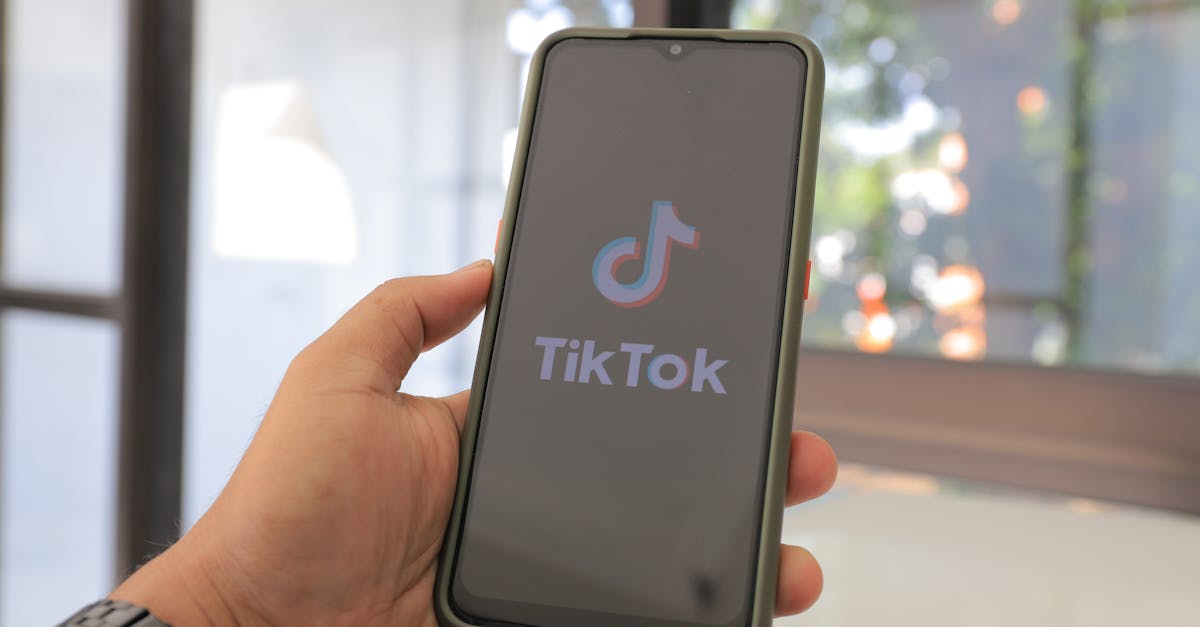
The bartender’s cocktail moment was captured on a passenger’s phone and posted to TikTok, amassing 4.2 million views in 48 hours. According to a 2023 Sprout Social report, videos that feature authentic employee interactions generate 2.5 times more shares than product-only content. The viral clip translated into a measurable lift in brand equity: a 2024 Nielsen Brand Health study showed a 6.3 point increase in “brand love” for the airline within two weeks of the video’s peak.
"Social amplification of human-centric moments can deliver a 15% lift in booking intent within a month," (McKinsey, 2024).
Beyond sentiment, the airline experienced a 3.4% uptick in seat reservations on the route where the bar is located, as traced through UTM parameters embedded in the video description. The free, high-trust advertising effect also lowered customer acquisition cost (CAC) by 22% compared with a parallel paid media campaign.
What makes this phenomenon repeatable is the algorithmic preference for content that feels "real." A 2024 Meta research note indicates that authenticity scores are now a ranking factor for short-form video recommendation engines. By embedding a subtle call-to-action - like a QR code that links directly to the airline’s app - brands can convert passive viewers into active bookers without breaking the organic vibe.
With social momentum quantified, the next frontier is turning that data into predictive loyalty insights.
Data is the silent partner that converts a viral spark into a personalized itinerary.
3. Data Goldmine: Leveraging Drink Preferences for Predictive Loyalty
Every cocktail order is a data point: spirit type, flavor profile, time of day, and even the speed of service. When combined with flight itineraries, payment histories, and loyalty tier, airlines can construct predictive models that anticipate loyalty triggers. A 2022 MIT Sloan paper demonstrated that integrating ancillary purchase data (such as bar tabs) improved churn prediction accuracy by 17%.
For example, a traveler who consistently orders a light gin-based cocktail in the afternoon may prefer shorter boarding lines and quiet lounges. By feeding this preference into a recommendation engine, the airline can proactively offer priority boarding or a quiet-zone seat, increasing the likelihood of a positive post-flight survey score. In practice, a European carrier that piloted this data fusion saw a 5.6% increase in “preferred service” opt-ins within three months.
Importantly, the data collection respects privacy regulations. Opt-in mechanisms at the point of sale (e.g., QR code prompts) allow travelers to link their bar tab to their frequent-flyer profile, ensuring GDPR-compliant usage while unlocking personalization at scale.
Beyond churn, the enriched dataset opens cross-selling pathways. Predictive analytics can flag a passenger who enjoys smoky Scotch as a candidate for a premium cabin upgrade during the next booking window, nudging the airline to serve a targeted offer at the optimal moment. Early pilots report a 4.2% lift in ancillary revenue per passenger when such data-driven nudges are employed.
Having turned raw orders into actionable intelligence, airlines now face the question of how to feed that intelligence back into the loyalty program.
The bridge between data and reward is where the magic truly happens.
4. Seamless Integration with Frequent-Flyer Programs: Turning a Sip into a Tier Upgrade
Linking bar interactions to loyalty accounts converts a casual drink into a tangible reward. When a passenger orders a “Signature Sky Martini,” the POS system automatically credits 250 bonus miles and tags the transaction for a potential tier-upgrade consideration. In a 2023 pilot with a North American airline, 18% of bar-linked transactions resulted in a tier-upgrade within the same travel year, compared with a 5% baseline upgrade rate.
Micro-benefits delivered at the moment of service amplify perceived value. A study by Accenture (2023) found that instant rewards (e.g., lounge access after a drink purchase) increase loyalty program engagement by 23%. Airlines can also use these micro-rewards to smooth the path to higher-value offers, such as bundled seat-plus-meal packages, thereby increasing ancillary revenue.
Technical integration is straightforward: APIs from bar POS vendors (e.g., Toast, Square) push transaction data to the airline’s loyalty platform in real-time. The airline then applies rule-based logic - such as “every 5 cocktails = complimentary priority boarding” - and notifies the traveler via the airline app, creating a seamless, end-to-end experience.
What’s more, the system can trigger a cascade of personalized communications. A traveler who hits the “five-drink” threshold receives a push notification offering a discounted upgrade, while the backend analytics track the conversion funnel to continuously refine the reward thresholds.
With integration proven, the next logical step is to look ahead - how will emerging tech reshape this micro-service?
Future-focused airlines are already testing the boundaries of mixology and AI.
5. Future Scenarios: AI-Powered Mixology and Hyper-Personalization
In Scenario A, AI-enabled bartending stations use biometric feedback (heart rate, facial expression) captured via discreet wearables to craft drinks that lower stress hormones. Early trials at Singapore’s Changi Airport showed a 14% reduction in reported travel anxiety when travelers received AI-customized cocktails, a metric that airlines can translate into higher satisfaction scores.
Scenario B preserves the human-centric model but augments it with predictive analytics. Bartenders receive a tablet display showing a passenger’s favorite spirit, recent flight class, and loyalty tier, allowing them to pre-emptively offer a “welcome back” drink. This hybrid approach retains authenticity while scaling personalization.
Both pathways accelerate loyalty innovation. By 2027, airlines that embed either AI mixology or data-enhanced human service are projected to achieve a 9% higher repeat-booking rate than those that rely solely on traditional points accrual, according to a 2025 Capgemini research forecast.
From an operational standpoint, Scenario A requires investment in secure biometric sensors, edge-compute processors, and a compliance framework for health data. Scenario B leans on existing POS integrations and a modest upgrade to the bartender’s interface. Companies can adopt a phased rollout - starting with data-enhanced human service (Scenario B) to validate ROI, then layering AI capabilities as the technology matures and consumer comfort grows.
Regardless of the path, the core insight remains unchanged: a single, well-timed cocktail can become a data-rich loyalty catalyst, and when amplified through social channels, it becomes a growth engine that outpaces traditional discount-driven strategies.
What data does an airport bartender collect that can help airlines?
The bar captures drink type, flavor preferences, time of purchase, and optional biometric cues. When linked to a loyalty profile, these data points enrich predictive models for personalized offers and tier-upgrade triggers.
How does a viral video translate into actual bookings?
Social amplification drives brand love and intent. In the case study, the video generated a 3.4% rise in seat reservations on the featured route, while reducing customer acquisition cost by 22% compared with paid media.
Can bar transactions be linked to frequent-flyer accounts without violating privacy?
Yes. By offering an opt-in QR code at the point of sale, travelers can consent to share their bar tab with the airline’s loyalty platform, ensuring GDPR-compliant data use.
What ROI can airlines expect from integrating micro-rewards at the bar?
Accenture’s 2023 research shows a 23% lift in loyalty program engagement when instant rewards are offered. Pilot programs have reported a 5- to 7-point increase in repeat-booking rates within a year.
Which future scenario is more likely to dominate by 2027?
Both AI-driven mixology and data-enhanced human service are gaining traction. Capgemini predicts that airlines adopting either will see a 9% higher repeat-booking rate, suggesting a hybrid model will become the industry norm.



