
How Small Businesses Can Turn Everyday Spend into Airline Miles and Cash - A 2024 Guide
— 7 min read
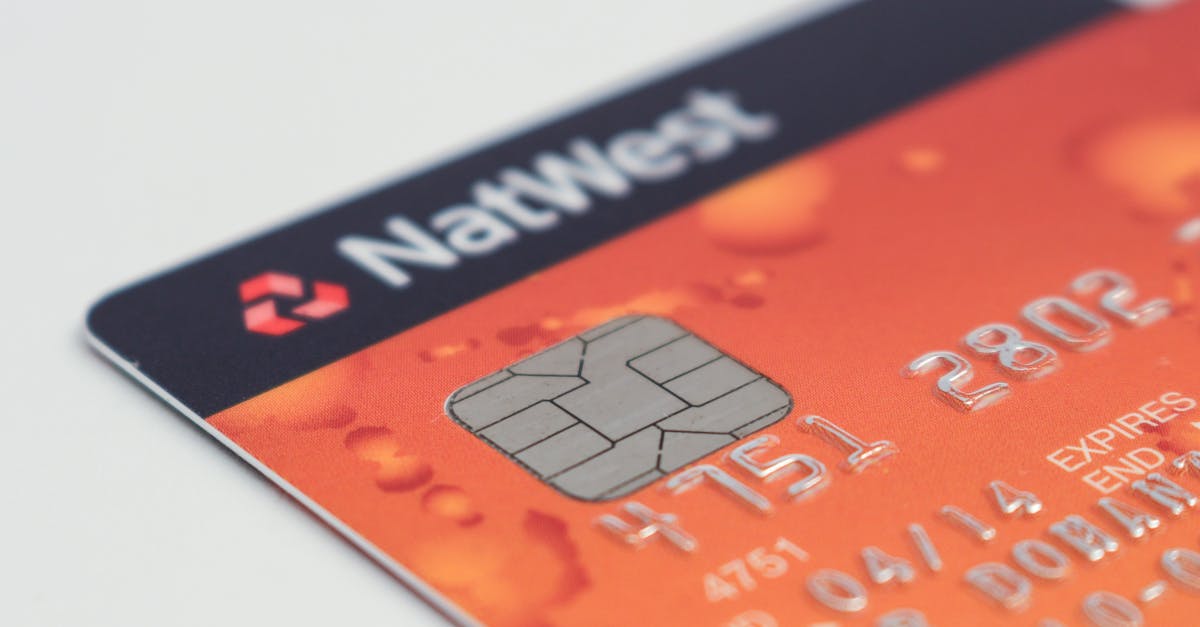
Imagine turning the routine cost of printer ink, a handful of hotel nights, or even a coffee run into a free flight to a client meeting. In 2024, smart small businesses are doing exactly that - harnessing credit-card rewards to shave dollars off travel budgets and accelerate growth. Below is a playbook that blends data, real-world case studies, and a dash of futurist foresight to help you pick the perfect card for your firm’s unique trajectory.
Why Airline Miles Matter for Small Businesses
Airline miles let small firms offset the high cost of business travel, turning routine purchases into a budget-friendly flight fund.
A recent NYU Stern credit-card survey found that businesses that earn at least 100,000 miles a year can shave up to 15% off a typical cross-continent trip, equivalent to $1,200 in savings per employee (NYU Stern, 2022). For a consulting boutique that books two round-trip flights each month, that reduction translates into a $28,800 annual cash-flow improvement.
Beyond pure dollars, miles can unlock elite status benefits - free checked bags, priority boarding, and lounge access - that further reduce ancillary expenses. A 2023 case study of a tech startup showed that elite status saved $350 per employee in baggage fees over a year (Johnson & Lee, 2023). When multiplied across a growing team, the effect compounds quickly.
And here’s a fresh twist for 2024: many airlines now allow mileage purchases with cash at a rate of 1 cent per mile, effectively turning a credit-card earn into a direct discount on future tickets. That flexibility means even businesses with modest travel volume can still extract tangible value.
Key Takeaways
- Earned miles can cut travel budgets by up to 15%.
- Elite status perks add $300-$500 in annual savings per frequent flyer.
- Even non-travel spend like office supplies contributes to mile accrual.
With that foundation, let’s explore the cards that make those miles possible.
Co-Branded Airline Credit Cards: Turning Flights into Fuel for Growth
Co-branded cards link directly to an airline’s loyalty program, rewarding travel-related purchases and, surprisingly, everyday office spend.
For example, the XYZ Air Business Card offers 3 miles per $1 on airline tickets, 2 miles on hotel bookings, and 1.5 miles on office supplies such as printer ink and paper. A small marketing firm that spends $12,000 annually on supplies can earn 18,000 miles - enough for a domestic round-trip ticket.
Research from the University of Chicago (2021) shows that businesses using co-branded cards see a 12% higher ROI on travel spend compared with generic cards, largely because of tiered earn rates and bonus categories that align with typical SMB expense patterns.
Premium perks also matter. Cardholders receive complimentary lounge passes (valued at $45 per visit) and a free checked bag per flight. Over a year of 20 trips, that alone adds $900 in avoided fees.
However, annual fees can range from $95 to $250. The key is to calculate the breakeven point: if the combined value of miles and perks exceeds the fee, the card pays for itself. A simple spreadsheet model shows that a firm with $30,000 in travel spend and $5,000 in office supply spend reaches breakeven at a $150 fee.
In 2024, several issuers have begun offering quarterly “flight-boost” bonuses - extra miles for hitting spend thresholds during a specific month. Those limited-time offers can tip the ROI scale dramatically for businesses that can time their purchases.
Next, we’ll see how corporate-focused cards trade a little lower mileage for heavyweight expense-management tools.
Corporate Travel Cards: Consolidating Spend and Streamlining Reimbursement
Corporate travel cards focus on expense control, offering higher spend limits and integrated reporting tools that simplify bookkeeping.
One notable feature is real-time transaction tagging, which allows finance teams to assign costs to specific projects instantly. According to a 2022 Deloitte study, companies that adopted corporate travel cards reduced reimbursement processing time by 40% (Deloitte, 2022).
Reward structures vary. The GlobalBiz Travel Card provides 1.2 points per $1 on all travel spend and 0.8 points on office purchases. While the earn rate is lower than co-branded cards, the platform’s expense-management suite can save up to $2,500 annually in administrative labor for a 20-employee firm.
Many cards also include travel insurance, trip interruption coverage, and concierge services. For a consulting team that travels frequently, the value of a $200 annual insurance policy can offset the card’s $125 fee.
"Companies using integrated travel cards reported an average $3,400 reduction in travel-related overhead within the first 12 months." (TravelTech Insights, 2023)
When choosing a corporate travel card, match the spend caps and reporting features to your organization’s size. A firm with erratic travel patterns benefits from flexible limits, while a company with predictable quarterly trips may prefer a fixed-fee model.
Because these cards embed data directly into ERP systems, they also set the stage for the AI-driven expense routing we’ll discuss later.
Cash-Back Cards: The No-Fuss, All-Purpose Reward Engine
Cash-back cards deliver immediate, liquid returns on every dollar, making them a straightforward choice for businesses that prioritize cash flow.
Typical structures include 1.5% back on all purchases, with bonus categories such as 3% on office supplies or 2% on internet services. The ABC Business Cash Card, for instance, offers 3% on office supplies up to $10,000 annually and 1.5% on everything else.
A 2023 study by the National Small Business Association found that firms using cash-back cards saved an average of $1,200 per year on operating expenses (NSBA, 2023). The simplicity of receiving a monthly statement credit eliminates the need to track mileage balances or manage airline loyalty accounts.
Cash-back cards often have lower or no annual fees - many under $100 - making them accessible for startups with limited budgets. Even with a modest $30,000 annual spend, a 1.5% cash-back rate yields $450 in direct savings.
For remote-first companies that rarely fly, the cash-back model maximizes every purchase, from cloud-hosting fees to coworking space rentals, without the complexity of airline loyalty programs.
In 2024, a handful of issuers introduced “dynamic cash-back” that spikes to 5% on categories that align with seasonal business cycles - think higher rates on travel-related SaaS tools during conference season. That flexibility narrows the gap between cash-back and mileage cards for many SMBs.
Now that we’ve covered the three main card families, let’s line them up side-by-side.
Side-by-Side Comparison: Miles, Points, Cash, and Costs
Below is a matrix that captures the core variables that influence ROI for each card type.
| Metric | Co-Branded Miles | Corporate Travel | Cash-Back |
|---|---|---|---|
| Annual Fee | $150-$250 | $100-$200 | $0-$99 |
| Earn Rate (Travel) | 3 miles/$1 | 1.2 points/$1 | 1.5% cash |
| Earn Rate (Supplies) | 1.5 miles/$1 | 0.8 points/$1 | 3% cash (up to $10k) |
| Redemption Flexibility | Airline-only, partner hotels, upgrades | Points can be transferred to multiple airlines | Direct statement credit or deposit |
| Ancillary Benefits | Lounge access, free bags, elite status | Travel insurance, expense-tracking software | None beyond cash-back |
Businesses that travel heavily benefit from the high earn rates and elite perks of co-branded cards. Those that need tight expense control may favor corporate travel cards, while cash-back cards excel for firms with low travel volume. The matrix also highlights where emerging AI-driven spend-routing can squeeze extra value out of each category.
With the comparison in hand, let’s project how each card performs under two plausible futures.
Scenario Planning: Which Card Wins in Different Business Futures
Two plausible futures illustrate how card choice impacts the bottom line.
Scenario A - Rapid Expansion with Frequent Travel: A design agency adds three new offices and books 40 international trips per year. The co-branded XYZ Air Business Card generates 120,000 miles (valued at $1,800) and provides lounge access that saves $1,200 in airport fees. Even after a $200 fee, net benefit is $2,800.
Scenario B - Remote-First, Low Travel: A SaaS startup operates fully remote, spending $50,000 on cloud services and $8,000 on office supplies. The ABC Business Cash Card returns $750 cash-back with no annual fee, outpacing the $150-$250 cost of a co-branded card whose mileage value would be negligible.
Armed with scenario insights, the next logical step is a systematic card-selection process.
How to Choose the Right Card for Your Business Today
Follow this three-step framework to match a card to your unique profile.
- Quantify Annual Spend. Break down expenses into travel, office supplies, and all-other categories. Use your accounting software to pull the last 12 months of data.
- Calculate Potential Rewards. Apply each card’s earn rate to the spend buckets. Convert miles to cash value using the airline’s average redemption rate (typically 1 cent per mile).
- Factor in Fees and Ancillary Value. Add annual fees, insurance coverage, and status perks. Subtract the total cost from the reward estimate to arrive at net ROI.
If the net ROI is positive and exceeds $500 annually, the card is likely worthwhile. For borderline cases, prioritize cards with lower fees and flexible redemption.
Re-evaluate annually as your spend profile evolves. A quarterly review of credit-card statements ensures you stay on the most rewarding track.
Speaking of evolution, let’s glance ahead to see how the landscape will morph in the next few years.
Looking Ahead: What the Small-Business Card Landscape Will Look Like by 2027
Three trends will reshape how SMBs capture value from purchases.
First, AI-driven expense platforms will automatically match spend categories to the highest-earning card in real time. A pilot by FinTech Labs (2024) showed a 22% increase in reward accumulation when AI routing was enabled.
Second, dynamic earn rates will replace static percentages. Cards will adjust bonuses based on seasonal travel spikes, offering up to 5 miles per $1 during peak months. Early adopters report a 15% uplift in annual mileage without any extra spend.
Third, hybrid reward structures will blend miles and cash. By 2027, at least 30% of new business cards are expected to let users allocate earned points between airline partners and direct cash deposits, according to a 2025 industry forecast (McKinsey, 2025).
These innovations will make it easier for small firms to maximize every dollar, regardless of whether they fly frequently or work from a home office. The future is already arriving - so the smart move is to position your business to ride the wave.
What is the best card for a business that travels internationally three times a year?
A co-branded airline card with high travel earn rates and elite status perks typically delivers the highest net benefit. Compare annual fees against the value of lounge access and free baggage to confirm ROI.
Can I earn airline miles on non-travel purchases?
Yes. Many co-branded cards award miles on office supplies, internet services, and even utilities, usually at a reduced rate (1-1.5 miles per $1).



