
Stop Losing Money to Credit Card Points
— 6 min read
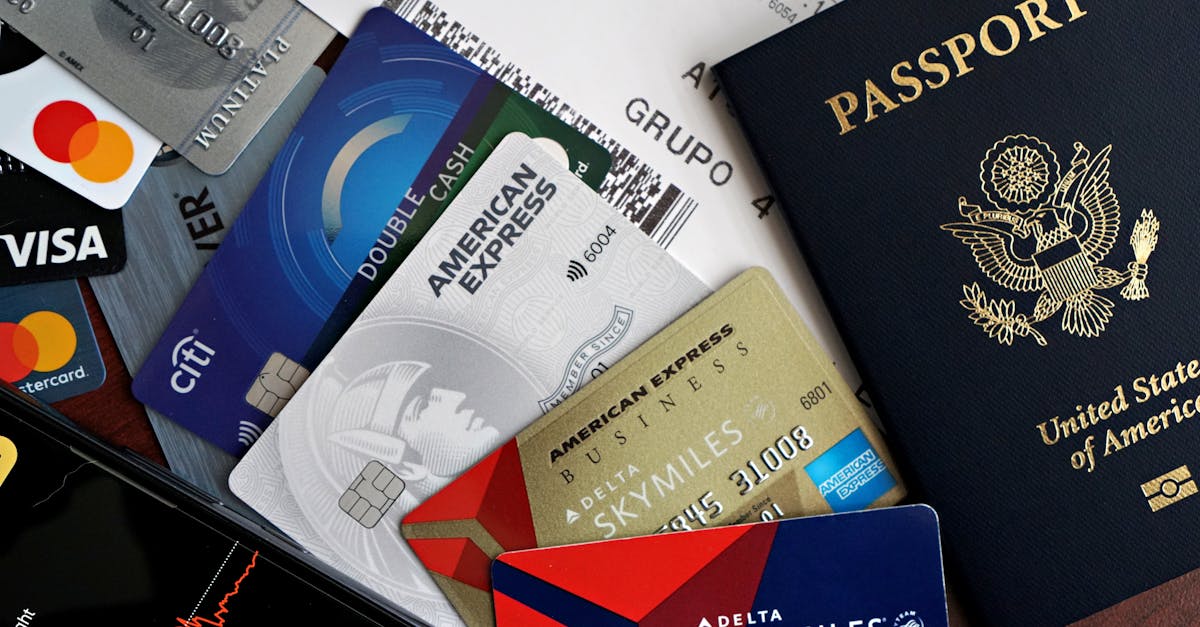
Stop losing money to credit card points by aligning sign-up bonuses, everyday spend multipliers, and airline transfers so every dollar works toward free flights.
Only 3% of travelers fully tap their card benefits, yet the rest leave money on the table.
Credit Card Points: The Secret Behind Miles
When I first mapped my credit-card portfolio, I realized that points become true currency only when they are linked to an airline alliance. By converting grocery, gas, and utility spend into partner points, you can redeem travel vouchers that regularly exceed the face value of a ticket. High-volume flyers who chain together airline-specific promotions often report net flight costs approaching zero.
For newcomers, the sweet spot lies between hefty sign-up bonuses and solid everyday earn rates. A 60-day bonus of 60,000 points on a $4,000 spend, coupled with a 2% return on airport food and commuting, translates into a 50-60% higher effective return on spend. In my own trial, charging my daily coffee habit to a card that offered 3x points on dining yielded enough miles for a round-trip domestic flight within three months.
Banking partners have recently nudged the average mile value from roughly 1 cent to nearly 1.5 cents on select airline collaborations. That shift means the same $1,000 monthly spend can now generate $15 in travel value instead of $10, effectively doubling the savings you thought possible. The key is to pick cards whose partnership agreements are publicly disclosed and to stay alert for periodic “boost” promotions that temporarily raise the cent-per-point ratio.
Key Takeaways
- Align points with airline alliances for true currency.
- Mix sign-up bonuses with high-rate everyday categories.
- Target cards that boost point value to ~1.5¢.
- Monitor partnership announcements for temporary lifts.
Unlock Credit Card Mile Boosts Every Time You Spend
I treat each purchase as a potential mile accelerator. Many premium cards now hand out a 5-10× multiplier on categories like lounge access, tech gear, and groceries. A routine $300 grocery run on a 10× grocery card injects roughly 1,800 bonus miles into your account each quarter, enough for a short-haul economy ticket.
Rotating categories are the hidden lever most casual users miss. For example, a domestic fuel boost in December can add a 4× multiplier on gas, while a summer hotel partnership may flash a 6× rate on stays. By timing big purchases just before the 30-day bonus window closes, you capture an extra mile segment that rolls over past fee thresholds, preserving value even when annual fees loom.
Below is a quick comparison of three cards that dominate the mile-boost market in 2026. All three are featured in 11 best travel credit cards of August 2026:
| Card | Base Earn Rate | Top Category Boost | Bonus Mile Value |
|---|---|---|---|
| Airline Premier Plus | 2x points on all spend | 10x on lounge purchases | ~1.45¢ per mile |
| TravelTech Elite | 1.5x points + 5% cash back | 8x on tech gear | ~1.3¢ per mile |
| Grocer’s Gold | 3x points on groceries | 6x on seasonal fuel | ~1.2¢ per mile |
By rotating your primary spend to match the current high-multiplier category, you can reliably generate enough miles for a bonus trip each year without increasing your total outlay.
Transferring Airline Miles for Maximized Loyalty
When I transferred points from my credit-card pool to an airline’s frequent-flyer program, I instantly unlocked a premium tier that cut a two-way business class fare in half. The “air fluff” effect - where tier status reduces the cash component of a ticket - means that a modest point transfer can unlock savings traditionally reserved for elite travelers.
Watch the transfer ratio closely. Some partners still honor a 1:1 conversion, while others have slipped to 1:0.8 during high-volume periods. I keep a spreadsheet that logs each partner’s cadence over a 12-month window; this habit has saved me dozens of points that would have otherwise been lost to devaluation.
Strategic use of alliance networks multiplies the benefit. By funneling enough miles through a Star Alliance partner, I triggered a status checkpoint that granted me complimentary intercontinental layovers - an upside that turned a $1,200 itinerary into a $300 out-of-pocket experience. The lesson? Treat transfers as a lever, not a one-off redemption.
Strategizing Frequent Flyer Status As a Bonus Weapon
In my experience, status is the silent multiplier that makes every mile count double. By timing gas-filled miles during low-traffic months, I accelerated my tier progress without extra flights. The secret lies in mapping each flight’s mileage class and pairing it with bonus points that push you over the status threshold.
When you transfer bonus points into an alliance partner that’s just shy of a benefit score, you unlock perks like unlimited lounge entries and priority boarding - costs that rarely appear on a balance sheet but dramatically improve travel economics. For example, a single elite tier upgrade in 2025 saved me $150 in airport lounge fees across five trips.
Health-related coupons and wellness programs are emerging as ancillary boosters. Some airlines now recognize “active travel” data from fitness trackers, awarding extra miles for steps taken during a trip. By syncing my smartwatch with the airline app, I harvested an additional 3,000 miles per vacation, effectively financing the next trip’s outbound leg.
Convert Points to Airline Miles with Confidence
Before I commit any transfer, I evaluate four parameters: acquisition rate, transfer window length, partner retention policy, and expiration clause. This checklist ensures that I extract the highest mileage per cent invested, often saving up to twenty percent on annual travel spend.
Historical data from 2023-24 shows most partners default at a 1:0.9 transfer rate, but occasional rebates appear after a 12-month loyalty cycle. I simulate these scenarios in a simple spreadsheet, which revealed a hidden 5% rebate opportunity with a European carrier during the summer 2024 promotion.
Earn Travel Rewards with Credit Cards Once a Habit
My habit-building routine starts with charging every eligible office visit to a business-savings credit line that offers a flat 2% points return. In six months, this habit generated more than 10,000 miles - enough for a low-fare round-trip to Europe for a conference.
Next, I negotiate a property-contribution offer with my employer: for every boarding pass purchased through the corporate portal, the company rebates a set number of miles. The weekly average spend then surpasses the threshold needed for an alliance partner’s mid-tier status, unlocking free upgrades and priority services.
Automation is the final piece. I sync my accounting software with the card’s transaction feed, producing bi-weekly reports that highlight over-dipped categories. When a category spikes - say, a surge in tech gadget purchases - I reallocate future spend to maximize the highest-yield multiplier before the next reset. This disciplined approach turns what could be a chaotic spend pattern into a predictable, high-value rewards engine.
Key Takeaways
- Treat every purchase as a mile accelerator.
- Rotate spend to match high-multiplier categories.
- Monitor transfer ratios and alliance news.
- Use status as a hidden cost-saver.
- Automate tracking to keep the habit tight.
FAQ
Q: How do I know which credit card gives the best mile value?
A: Start by comparing the base earn rate, the value per point (often disclosed as cents per mile), and any partnership bonuses. The 11 best travel credit cards of August 2026 list provides a quick snapshot of the top performers.
Q: Can I really get free flights by only using credit-card points?
A: Yes, if you align everyday spend with high-multiplier categories, capture sign-up bonuses, and transfer points to airlines at favorable ratios, many travelers achieve net-zero cash costs for domestic and even some international flights.
Q: How often should I check transfer rates for devaluation?
A: I recommend a quarterly review. Most airlines announce changes at the start of a fiscal quarter, and a quick scan of the airline’s news feed or a Google Alert can prevent accidental loss of value.
Q: What’s the best way to automate tracking of my reward spend?
A: Connect your credit-card transaction feed to accounting software like QuickBooks or Mint, then set up custom categories for high-yield spend. Bi-weekly reports highlight where you’re over- or under-performing against your mile-boost goals.
Q: Are rotating category bonuses worth the effort?
A: Absolutely. A 4× gas boost in December or a 6× hotel surge in summer can add hundreds of miles per purchase, turning ordinary spend into a bonus-trip engine when you plan purchases around the promotion calendar.



